Grain Free Dog Food: Complete Guide to Grain-Free Diets for Dogs
Grain free dog food has become increasingly popular among owners exploring different diets for their pets. Some consider it because of suspected food sensitivities, while others want to understand the alternatives available. Knowing how grain-free diets compare with traditional options can help you make a more informed choice for your dog.
Browse our grain free dog food range online or visit one of our country stores to explore the available options.
What Is Grain Free Dog Food?

Grain free dog food is formulated without grains such as wheat, corn, barley and rice. Instead, manufacturers may use ingredients including sweet potatoes, peas, lentils and chickpeas to provide carbohydrates and other nutrients. These recipes can contain a mixture of animal proteins, vegetables, fats, vitamins and minerals.
Although sometimes described as no grain dog food, grain-free does not mean carbohydrate-free. Many recipes still contain carbohydrate-rich ingredients, which can provide energy and contribute to the food’s overall nutritional profile.
Grain-free recipes are available as dry dog food, wet food and other formats. The best choice depends on your dog’s preferences, nutritional requirements and any specific dietary advice from your vet.
It’s worth noting that grain-free food isn’t automatically healthier or easier to digest than food containing grains. True grain allergies in dogs are relatively uncommon, and food allergies can also involve animal proteins. If your dog has persistent itching, digestive problems or other symptoms, speak to your vet before changing their diet.
At Gladwells Pet & Country Store, you can explore different dog food options and compare recipes to find one suited to your pet’s needs.
Benefits of Grain Free Dog Food
Some dogs may benefit from a grain-free diet when it forms part of a carefully selected feeding plan. However, the benefits depend on the individual dog and the ingredients in the food rather than simply the absence of grains.
Digestive support: Some dogs experience digestive problems linked to particular ingredients. Finding a food that agrees with your dog may help improve stool consistency and reduce discomfort, but grain-free food isn’t guaranteed to resolve digestive issues.
Skin and coat condition: A complete, balanced diet provides the nutrients needed for healthy skin and coat. If a dog has a confirmed food allergy, avoiding the ingredient responsible may help improve symptoms. Removing grains without identifying the cause may not make a difference.
Energy levels: Dogs need an appropriate balance of protein, fat and carbohydrates to support their activity levels. A suitable grain-free formula can provide this, but grain-inclusive foods can do the same.
Managing food sensitivities: If your vet suspects a food allergy, they may recommend a controlled elimination diet to help identify the trigger. This is more reliable than switching to a grain-free recipe at random, as the problem may be an ingredient other than grain.
A dog supplement may sometimes be recommended to address a specific nutritional need, but supplements should not be used to compensate for an unsuitable diet. Ask your vet before introducing one.
Not every dog needs grain-free food, and there is no universal benefit to removing grains from a healthy dog’s diet. Some grain-free recipes also rely heavily on ingredients such as peas and lentils, and potential links between certain diets and canine heart disease have been investigated. If you’re considering a long-term dietary change, discuss the options with your vet.
You can shop our dog food selection online for different formulas and feeding options. Home delivery and collection options may be available depending on the product and service.
Is Grain Free Dog Food Right for Your Dog?
Choosing food for your dog means considering their health, age, activity level and individual nutritional requirements. A grain-free formula may suit some dogs, but a complete and balanced grain-inclusive diet can also be an excellent choice.
Dogs with Suspected Grain Allergies or Intolerances
A dog with a confirmed reaction to a particular grain may need a diet that excludes it. However, symptoms such as itchy skin, recurring ear problems and digestive upset can have several causes, including environmental allergies and sensitivities to other food ingredients.
Your vet can help determine whether a food allergy is likely and recommend an appropriate feeding trial if necessary. Avoid assuming that grain is responsible without investigating the symptoms.
Dogs with Sensitive Stomachs
Dogs with sensitive digestion may respond better to one recipe than another, but this doesn’t necessarily mean they need a grain-free diet. Factors such as the protein source, fat content, fibre levels and portion size can all affect digestion.
If your dog frequently experiences vomiting, diarrhoea or changes in appetite, seek veterinary advice rather than repeatedly changing their food.
Puppies, Adults and Senior Dogs
Different life stages require different nutritional balances.
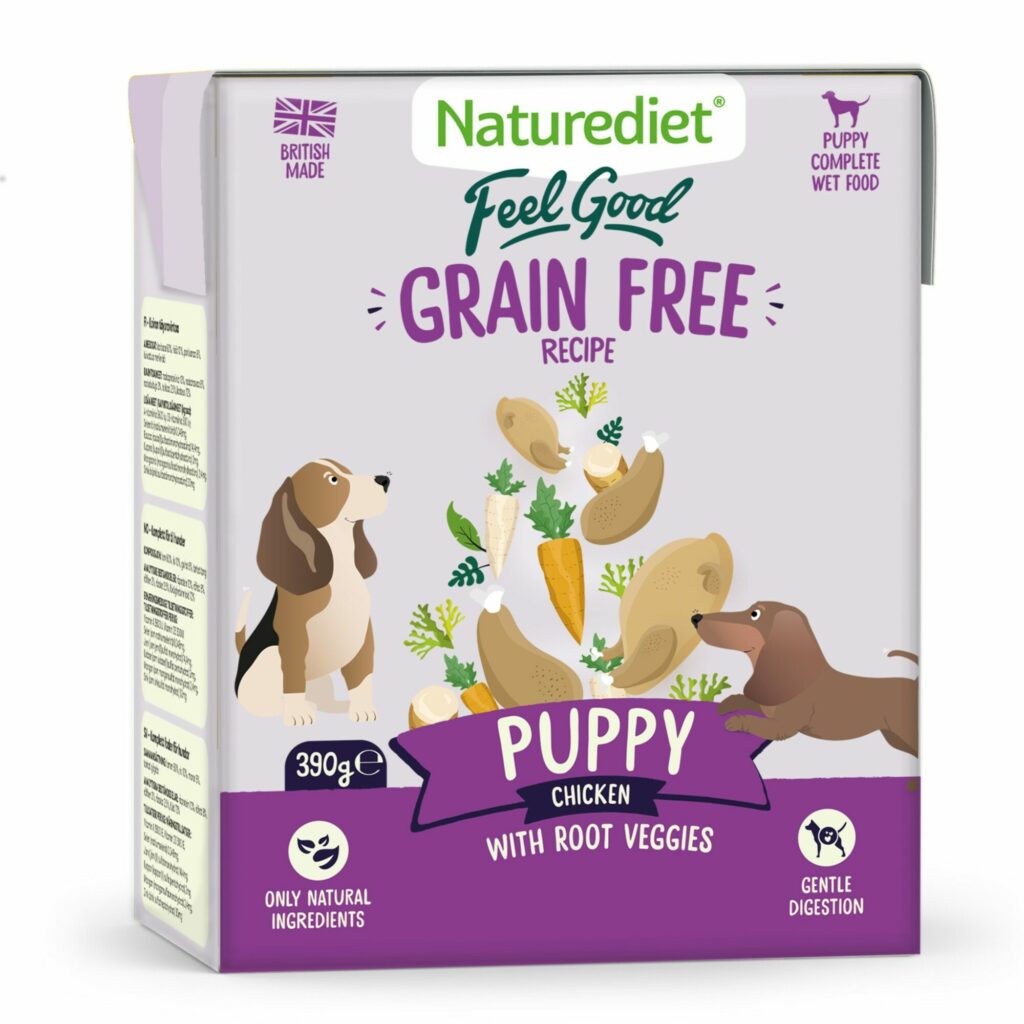
- Puppies: Puppy food should provide the nutrients needed for growth and development. Choose a complete diet specifically suitable for your puppy’s expected adult size and life stage, whether grain-free or grain-inclusive.
- Adult dogs: Adult dogs need a balanced diet that supports their weight, activity levels and general health. The right recipe will depend on their individual requirements.
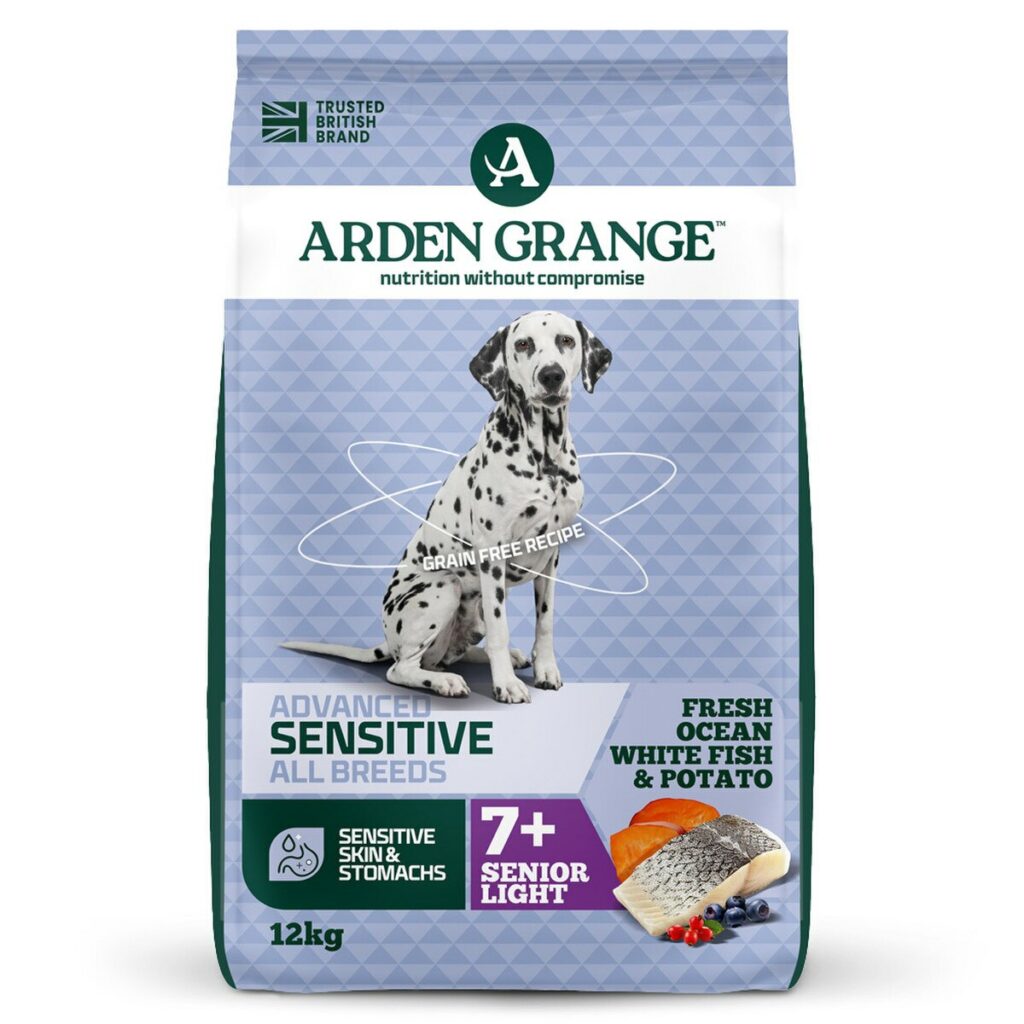
- Senior dogs: Senior dogs may need adjustments to their calorie intake or other nutrients as their activity levels and health change. Senior dog food should be selected according to these needs rather than simply because it is grain-free.
The Importance of Complete and Balanced Nutrition
Whatever type of food you choose, check that it is labelled as a complete food appropriate for your dog’s life stage. A complete diet should provide the nutrients your dog needs when fed according to the manufacturer’s guidance.
Your vet can help you assess whether a particular formula is appropriate, especially if your dog has a medical condition or requires a specialised diet.
Common Ingredients in Grain Free Dog Food
Grain-free recipes use a variety of ingredients to provide protein, energy, fats, vitamins and minerals. Checking the ingredient list and nutritional information can help you understand what you’re feeding your dog.
Protein Sources
Protein supports muscle maintenance, tissue repair and many other bodily functions. Common animal protein sources include chicken, beef, lamb and fish. Some recipes use less common proteins, such as duck or venison, although these aren’t automatically suitable for dogs with allergies.
If your dog has a suspected food allergy, ask your vet about choosing a suitable protein source rather than relying on the ingredient list alone.
Vegetables and Legumes
Sweet potatoes, peas, lentils and chickpeas are frequently used in grain-free recipes. Depending on the ingredient, they can contribute carbohydrates, fibre, protein and other nutrients.
The overall balance of the recipe matters more than the presence of any single ingredient. A food containing vegetables and legumes still needs to provide the correct proportions of essential nutrients.
Fruits
Some recipes include ingredients such as apples, blueberries or cranberries. These can contribute flavour and nutrients, but their presence doesn’t automatically make a food more nutritious than another complete diet.
Healthy Fats
Fats provide concentrated energy and essential fatty acids. Ingredients such as chicken fat, fish oil and flaxseed may be included to help meet a dog’s nutritional requirements and support skin and coat health.
The amount and balance of fat should suit your dog’s age, activity level and health needs.
Alternative Carbohydrate Sources
In addition to sweet potatoes and legumes, grain-free recipes may contain ingredients such as tapioca. These provide alternatives to conventional grains, but their nutritional value varies.
Grain-free recipes should be assessed as complete products rather than judged solely by which carbohydrate sources they contain.
Preservatives and Added Nutrients
Dog food may contain approved preservatives to maintain freshness, alongside added vitamins and minerals to support nutritional balance. Some recipes also include supplements such as glucosamine or probiotics.
Check the product information to understand what is included, and ask your vet whether any additional supplement is necessary for your dog.
Grain Free vs Traditional Dog Food
Grain-free and grain-inclusive diets can both provide complete nutrition. The main differences relate to their ingredients, cost, availability and suitability for individual dogs.
Nutritional Completeness
Neither type is automatically better. A complete grain-inclusive diet can meet a dog’s nutritional requirements, while a grain-free recipe can also be suitable if it is properly formulated.
Look for a complete food appropriate for your dog’s life stage and consider the overall nutritional profile rather than focusing on whether grains are included.
Cost and Availability
Prices vary according to the brand, recipe, ingredients and pack size. Some grain-free formulas cost more than comparable grain-inclusive products, although this isn’t true of every option.
Availability also differs between brands and retailers. Compare feeding instructions and the recommended daily amount as well as the price per bag or tin to understand the ongoing cost.
Taste and Texture
Dogs have individual preferences. Some may prefer a particular dry food, while others find wet food more appealing. Grain-free and grain-inclusive diets are both available in different flavours and textures, so the best option will depend partly on what your dog enjoys eating.
Wet Dog Food vs Dry Dog Food
Wet dog food typically has a higher moisture content, while dry food is generally easier to store and measure. Both can provide complete nutrition when the product is formulated and labelled as a complete food.
Grain-free options are available in wet and dry formats. Your choice should take account of your dog’s preferences, health requirements, feeding routine and budget.
Which Should You Choose?
If your dog is healthy and thriving on a complete grain-inclusive diet, there may be no reason to switch. If you suspect an allergy or intolerance, speak to your vet before choosing a replacement food.
Compare products carefully and avoid assuming that a grain-free label guarantees better digestion, improved skin or superior nutrition.
Transitioning Your Dog to Grain Free Food
When changing your dog’s diet, introduce the new food gradually. A sudden switch can cause digestive upset, so a transition over 7–10 days is a useful starting point for many dogs. Some pets need a longer period, particularly if they have a sensitive stomach or your vet recommends a different schedule.
Follow these steps, adjusting the pace to suit your dog.
Days 1–2: Introduce a Small Amount
Begin by mixing approximately 25% of the new food with 75% of your dog’s existing food. Monitor how your dog responds and check that they’re eating normally.
Days 3–4: Increase the New Food
If your dog is tolerating the change, move towards a 50:50 mixture of the old and new foods. Watch for changes in appetite, stool consistency or digestive comfort.
Days 5–7: Increase the New Food Further
Gradually increase the new food to around 75% of the meal, with 25% of the old food. If your dog is eating comfortably and showing no concerning symptoms, you can continue towards the new diet.
Days 8–10: Complete the Transition
If your dog is tolerating the new food, move towards feeding it exclusively. Follow the feeding instructions on the packaging and adjust portions to maintain an appropriate body weight.
These timings are a guide rather than a strict deadline. Slow down or pause the transition if your dog develops mild digestive changes. Contact your vet if symptoms persist, worsen or include repeated vomiting, significant diarrhoea, blood in the stool, lethargy or refusal to eat. Puppies and dogs with existing medical conditions may need more tailored advice.
For further advice, read our article on switching to a new dog food.
If you’re considering adding a mixer or topper, introduce it gradually too. Our article on maximising nutrition with a dog food mixer explains how to approach this while keeping your dog’s overall diet balanced.
Choosing Grain Free Dog Food at Gladwells
The right food should suit your dog’s nutritional needs, preferences and life stage. Compare the ingredients, feeding instructions and nutritional information of different products, and seek veterinary guidance if you’re changing your dog’s diet to address a suspected allergy or health concern.
Browse our online shop to explore dog food options, or visit one of our Gladwells Pet & Country Stores for help finding a suitable product.
Whether you’re considering grain-free food for a specific dietary reason or simply comparing the options available, choosing a complete and balanced formula is the most important step.